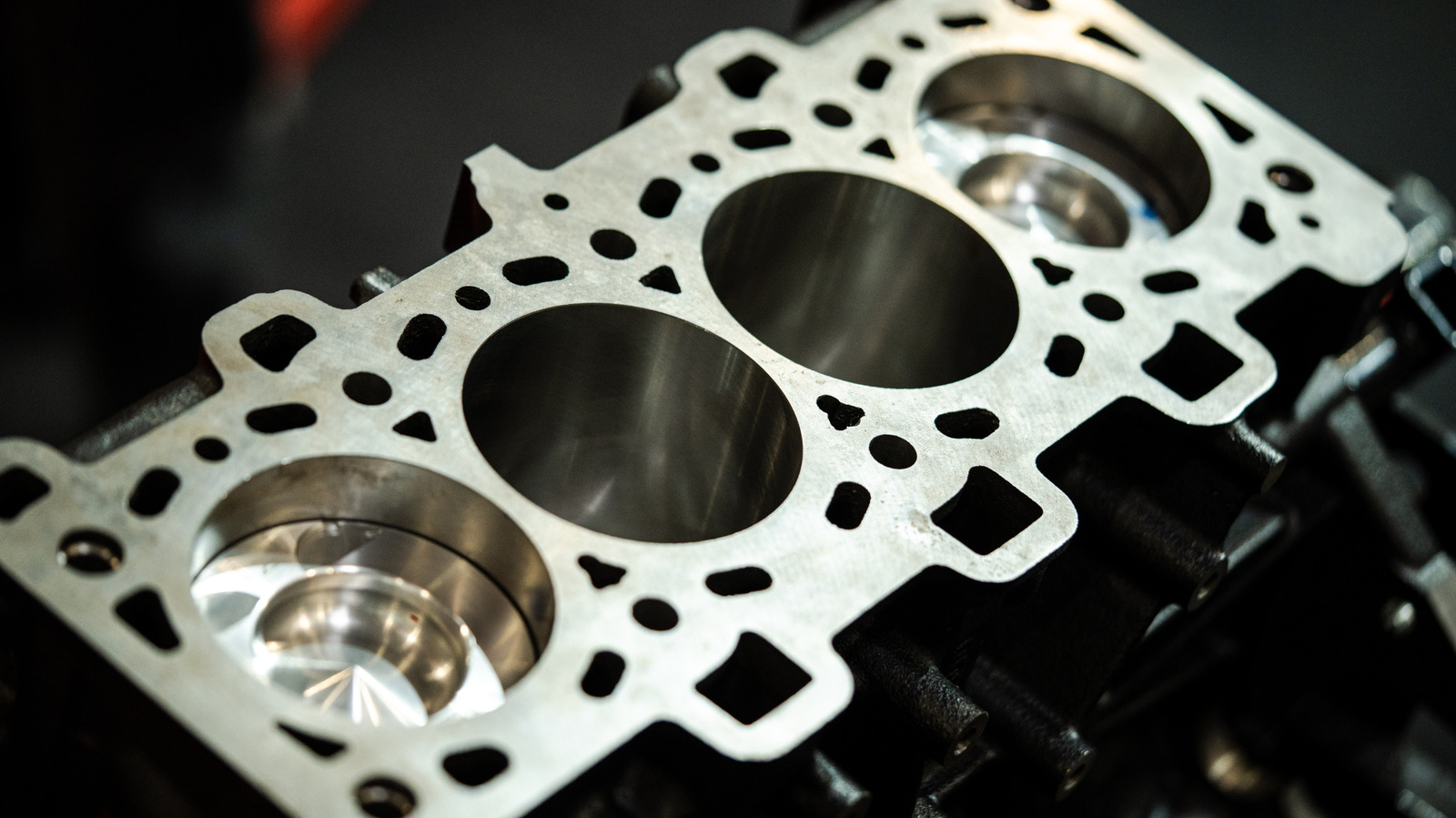
The debate over the best engine configuration has been around as long as cars have existed. The question often comes down to three cylinders (a three-cylinder engine) versus four cylinders (a four-cylinder engine). On the surface, it might seem like four cylinders are better since there are simply more of them, which often means more power. However, the situation is more complex than it appears.
When choosing an engine, the intended use really matters. A three-cylinder engine is compact and ideal for city cars, while a four-cylinder engine is more versatile and common in many vehicles. Factors such as fuel efficiency, smoothness, and the overall engine design also play significant roles in deciding which configuration is ideal for a specific vehicle type.
In general, four-cylinder engines are favored due to their proven technology and adaptability. They often strike a good balance between power and simplicity, which is why they’ve been used for so long—dating back to the Ford Model T’s famous four-cylinder engine.
Focusing on the technical aspects of a four-cylinder engine, it features cylinders arranged in a single line. Essentially, it can be thought of as two pairs of two-cylinder engines working together, which allows for smooth operation. When one piston moves up, the corresponding piston on the opposite end moves as well, balancing their momentum. Although this design accomplishes a good balance, it isn’t perfectly smooth due to their motion characteristics. To fix this, engineers may use balancing shafts or other methods to counteract vibrations.
Three-cylinder engines, on the other hand, have their cylinders set apart at 120-degree angles, which offers them excellent secondary balance. But they lack the same primary balance as a four-cylinder engine. Therefore, three-cylinder engines can be more complicated and require additional support systems to maintain smoothness.
Still, four-cylinder engines hold the upper hand for most vehicles. Although three-cylinder engines are typically more fuel-efficient because they burn less fuel, they often produce less power. To make up for this, they are frequently paired with turbochargers, which add complexity to the engine. If the turbo fails, repairs can be costly.
In contrast, four-cylinder engines can generate similar power without needing a turbo, leading to fewer potential issues. Plus, they can also be turbocharged if required, making them even more powerful without the drawbacks that come with three-cylinder turbos.
Ultimately, the choice between a three-cylinder and a four-cylinder engine depends on the specific needs of the vehicle. If space is tight or special requirements exist, a three-cylinder might be the best option. But for general use, four-cylinder engines offer a healthy mix of efficiency, simplicity, and power, which explains their widespread use in today’s cars.
If you have a junk car taking up space and want to turn it into cash, consider Cash for Cars Los Angeles. Get a free quote today and see how easy it can be to sell your unwanted vehicle!
Please call 213-441-3333 or visit https://losangelescashforcarsquick.com/fo.html to get a free quote to junk your car
#FourCylinder #Engines #ThreeCylinder #cashforcarslosangeles